TINY OFF-GRID HOUSE LIVING NATURAL SKINCARE
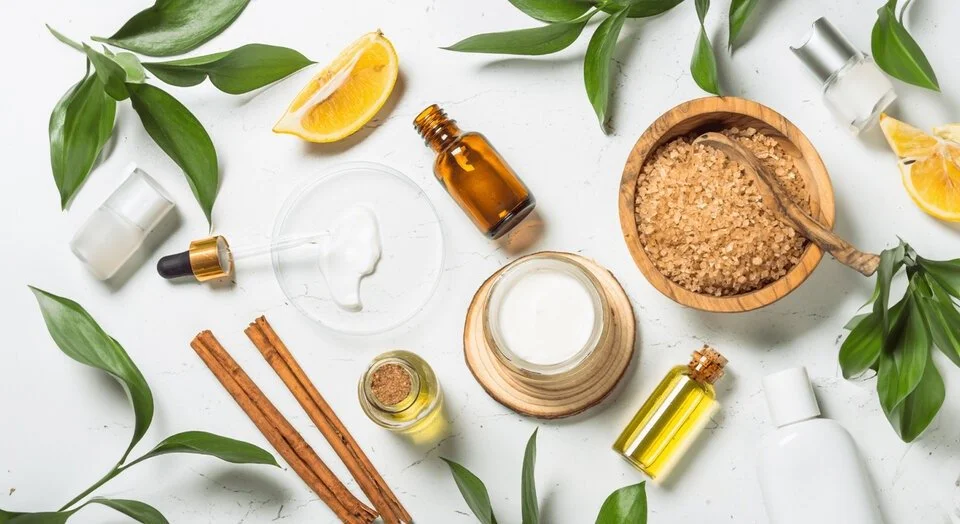
Photo courtesy of Becalia Botanicals
A large number of commercial skincare products marketed to be natural are inherently made from Petroleum. Inaddition, their single-use containers are usually made of plastics, a derivative of Petroleum. The raw materials that compose these skincare products and their containers are all made from refined crude oil.
Petroleum seems to permeate throughout the entire skincare industry. Vaseline (White Petroleum Jelly) is marketed as a non-toxic, sanitary, skincare product capable of hydrating skin with purported medicinal potential; however, the petroleum base ingredients are actually a byproduct of crude oil refining. The marketing of White Petroleum Jelly is analogous to late 19th and early 20th centuries, Upton Sinclair influenced marketing of refined sliced white bread—only when the crude oil is refined and the opaque contaminants are removed can the Vaseline find redemption becoming clean and white. Vaseline is not inherently a moisturizer; it only functions as a moisturizer by proxy by forming an occlusive layer over the skin trapping existing moisture in damp skin. This same occlusive layer ability can clog the skin, trapping oil and bacteria in the pores, making it unsuitable for acne prone facial skin. This same characteristic can cause infections by sealing bacteria in dirty cuts or bruises and preventing oxygen from reaching the skin tissue; delaying healing. Also, the occlusive thermal layer can trap the heat in sunburn skin worsening discomfort. Although internal use is not advised, the perception of medicinal abilities encourages heating and ingestion which can cause burning of the oral airway or pH imbalance if used as a vaginal lubricant . . . Then there’s the potential risk of contamination with the hazardous environmental pollutant, polycyclic aromatic hydrocarbons (PAHs), known to to be endocrine disruptors and cause: cancer, end stage renal disease (Kidney failure), cardiovascular disease, negatively impact reproductive health and the immune system . . .
Theoretically, if an ingredient in a natural skincare product is not considered to be safely consumed, not even in minuscule portions, without risk to your health it should not be applied to your “porous absorbent” skin.
Natural skincare ingredients should not be stored in containers made of plastics; but in an impervious container preferably made of glass; if not, stainless steel or ceramic. The polymer matrix bonds that make-up fossil fuel based plastics do not decompose; eventually overtime, plastic will break down but in to smaller and smaller pieces known as microplastics, or even smaller nanoplastics. Nanoplastics have been found floating inside plastic drinking water bottles. Nanoplastics can cross the blood brain barrier and have been even found in newborns placenta. Personal skin care products contained in “bioplastic” containers do not offer reassurance since there are no federal regulation nor industry standardized definition for the term bioplastics. The term bioplastics is intended for materials made from organic plant materials like potato or corn starch . . ; however, in some cases, the composition of a bioplastic container may contain up to 80% fossil fuel based plastic. Despite the strong polymer matrix bonds that make-up oil based plastics (Polyethylene, polypropylene, polystyrene & polyester) the loosely bonded chemical additives that makes plastic durable, flexible, shiny, adds color, UV stabilizers, flame retardant . . . are not and can inevitably leach contaminating any food or skincare product inside the plastic container. Even the chemical dyes and glues used on the “outside” of the plastic container can leach inside, through a process of diffusion, contaminating the contents. Subsequently, the chemicals added to plastics or the petroleum based personal skin care products can leach in to our porous skin, then enter the bloodstream, when applied topically or worn as polyester Fast Fashion clothing.
See “Fast fashion Vs Sustainable Fashion”
NOTE: Heat is another catalyst that can cause the chemicals found in nonstick cookware & utensils to shed harmful PFAS in to cooked food. Also, fatty (Meats, cheese, processed foods) and acidic (Tomato Sauce) foods can absorb chemicals from plastic food containers and non-stick coating on cookware.
Obtaining skincare ingredients / products from bulk refill stores and storing them in reusable glass bottles can eliminate wasteful packaging; especially, in the form of single-use plastics.
Compounding skincare ingredients at home for self use can be empowering and be akin to the sustainability in having a Victory Garden and growing your own food at home. You can have direct quality control of the organic ingredients you select and tailor the formulation to your specific skin care regimen. Eliminating labor and transportation cost provides opportunities to invest in quality ingredients & equipment.
OATMEAL FACE MASK RECIPE
The majority, if not all, of the natural ingredients in this oatmeal face mask recipe can be found in most home kitchens. This natural recipe is ideal for use 1 - 2 times a week on sensitive skin that is prone to allergenic reactions from personal care products that contain cows milk or chemicals. If necessary, perform a patch test before full use or consult a dermatologist. This recipe prepares a batch for one application and has a shelf life of up to 2 days if stored in an airtight container and refrigerated. Oats are rich in vitamin E. The antioxidants found in oats reduce skin inflammation; while antibacterial properties found in honey help neutralize acne causing bacteria. The saponins in oatmeal serves as a cleanser. Also, the 0.2 - 0.6 mcg of biotin (B complex vitamins) in oatmeal adds hydration & elasticity to the facial skin reducing wrinkles. The flavonoids in oatmeal offer UVA protection. Some traditional formulations of this recipe may include avocado or coconut oil which are excluded from this recipe due to their high monounsaturated fatty acid content that is comedogenic and clogs facial skin pores; which may lead to acne or blackheads. The benefits of coconut or avocado oil is best used on the dry skin of the body rather than on oily or acne-prone faces.
CONS / PROS:
Oats (Avena sativa) is a gluten—not a nut—although rare, it may possibly cause skin irritation if applied on the skin of a person with a history of celiac disease
Does not cure Psoriasis
INGREDIENTS:
½ Cup of uncooked finely ground organic colloidal oats
2 Table spoons of pure, unpasteurized, raw honey; preferably locally sourced
1 Cup of warm—not hot—distilled water (No chlorine, fluoride, hardwater)
EQUIPMENT:
1 Glass, ceramic or metal mixing bowl
1 Facial cloth made of natural fabric (No polyester)
A hand held blender
PREPARATION:
If using whole grain oats grind the oats in to a fine powder using a blender or food processor; skip this step if using colloidal oats which disperses evenly in water
Dissolve the honey in to a warm glass of distilled water; stir to mix
In a mixing bowl, use a handheld blender to mix the solution of honey water in to the oatmeal and form a smooth paste
Best if used immediately after preparation
DIRECTIONS FOR USE:
Clean your face with soap and warm water before application then pat dry. Rest a warm—not hot—water soaked damp facecloth on your face for a minimum of 15 minutes to open the skin pores. Using your fingers, apply an even layer of the face mask on the face, including the lips, while avoiding the opening of the eyes; the under-eye area will be hydrated and de-puffed. Allow the face mask to sit on the face for 20 - 30 minutes; then gently massage rinse with plain warm distilled water. The gentile exfoliation texture of the oatmeal serves as a mild scrub that removes dirt, sebum and dead skin cells without stripping the skin. The biodegradable organic ingredients in this recipe are not harmful to an off-grid grey water waste system.
Once your natural skincare product is prepared the next important step is proper storage. Because most of the natural ingredients are organically biodegradable, without preservatives, the contents will require refrigeration; since heat can accelerate oxidation of the ingredients. While longterm exposure to natural air, visible sunlight and UV rays can cause natural skincare ingredients like vitamin C (Ascorbic acid) and botanical extracts to weaken their potency by breaking down their structural bonds and separating natural emulsions. Also, nonsynthetic oils can turn rancid. Storing natural skincare products in an airtight opaque or amber glass container offers protection from contamination by plastic diffusion of chemicals and denaturing of ingredients by air and direct sunlight.
Photo courtesy of Stockcake
LAVENDER AROMATHERAPY BUBBLE BATH RECIPE
An aromatherapy bubble bath provides calming scents, while moisturizing the skin and relaxing tight muscles & stiff joints. This recipe prepares a batch for several bubble baths and has a shelf life of 2 to 3 months if stored at room temperature in an airtight container stored away from direct sunlight; when not in use.
CONS / PROS:
Individuals with heart or kidney disease should first consult a Physician due to risk of cardiovascular strain and electrolyte imbalance; respectively
INGREDIENTS:
20 Drops of organic lavender essential oil. However, 1 to 2 drops should be sufficient for children to avoid eye & mucous membrane irritation
1 Cup of unscented castile soap
1/3 cup of organic vegetable glycerin. A larger quantity of glycerin will increase the volume of bubbles
EQUIPMENT:
1 Glass measuring bowl
1 Glass, ceramic or metal mixing bowl
Non-plastic, air-tight, storage container
PREPARATION:
Pour entire cup of castile soap in to mixing bowl
Pour entire cup of glycerin in to mixing bowl
Gently mix the two ingredients in the bowl by hand using a spoon
Add 5 drops, at a time, of lavender essential oil in to the solution while gently mixing the solution
DIRECTIONS FOR USE:
Slowly pour the lavender aromatherapy bubble bath under the stream of warm, not hot, running bath water; if necessary, agitate the bath water with your hands to create more bubbles.
If desired, add 1 cup of sea salt—not to be confused with iodine fortified table salt with anti clumping agents—in to the warm bubble bath water. The warm osmotic salt water bath induces sweating which naturally flushes minor water soluble impurities and excess fluids through the skins’ pores; while relaxing muscles, dilating blood vessels, exfoliating dead skin cells and reducing cortisol levels associated with stress. Sea salt contains 85% sodium chloride + 15% trace minerals (magnesium, potassium, calcium . . . ). Sea salt is obtained through solar thermal evaporation of ocean or saline lake water (3.5% salinity) or as a product of mechanical desalination which uses reverse osmosis to separate water from the salt & impurities producing clean drinking / irrigation water. Also, the sea salt looks beautiful when stored in apothecary-style jars.
Rinse with fresh water after your bubble bath to remove salt residue from skin.
The organic ingredients in these natural skincare recipes are biodegradable and environmentally safe to be disposed in an off-grid gray water or septic system. While the sustainable containers can be reused, repurposed or recycled.
Please share your viewpoints or experiences in the Comments section below.