FOSSIL FUELS AND FARMING
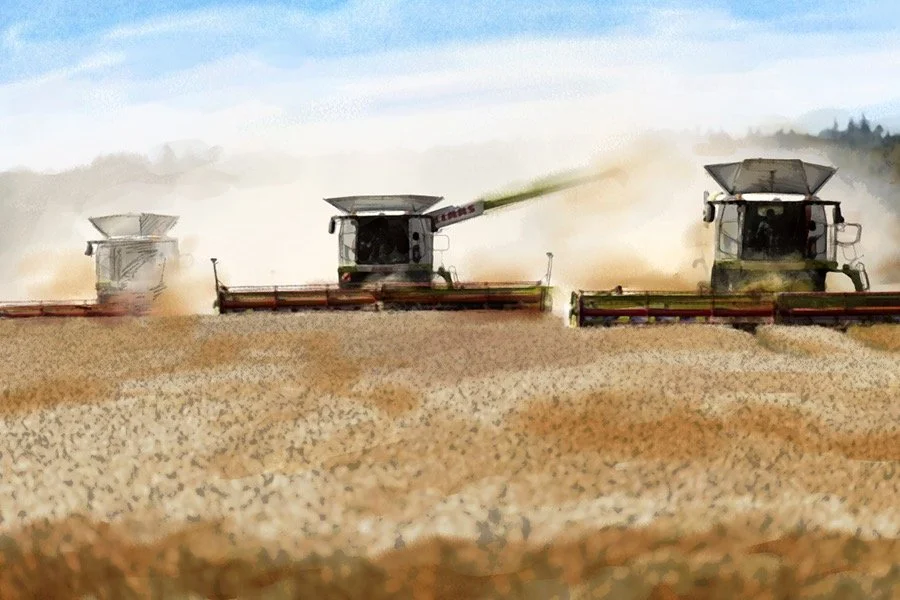
Photo courtesy of Inside Climate News
Fossil fuels are rooted deeply in the industrial farming industry. Fossil fuels, primarily in the form of diesel, powers the combustion engines of mechanized farming vehicles. While, natural gas is synthesized under high pressure, through the energy intensive Haber-Bosch process, to pull nitrogen from the air and combine it with hydrogen found in natural gas creating the synthetic fertilizer ammonia; which is used to help modern Farmers grow abundant yields of commodity crops like soy, wheat & corn primarily used as animal feed for meat production and—in a vicious energy loop—bio-fuels (aka Ethanol). The primary focus of industrial food production is to grow food crops for livestock consumption and manufacture biofuels; with little to no concern for equitable human nourishment. The energy intensive Haber-Bosch process, used to manufacture synthetic fertilizers, consumes 1.2% to 2% of the worlds’ total energy annually and are responsible for 450 Metric tons (Mt’s) of global CO₂ emissions annually.
Petroleum base synthetic fertilizers are not necessary for plants to grow; nature already provided plants the nourishments they need through photosynthesis using the sun, soil, atmospheric carbon dioxide, water and beneficial soil microbes. Synthetic fertilizer is not necessary for regenerative farming; but it is a necessary part of industrial farming practices such as mono-cropping. Why? Mono-cropping depletes necessary nutrients from the soil requiring perennial replenishment and also incorporates mechanized soil tilling which impacts beneficial microbes in the soil. Beneficial soil microbes in the soil attach to plant roots through mycorrhizal fungi which forms a symbiotic relationship with plants to help the roots absorb nutrients in exchange for sugars in the form of glucose and organic substances.
In 2005 U.S. President G. Bush signed the Energy Policy Act and subsequently, in 2007 the Energy Independence & Security Act. The acts mandated the fuel chemistry at the gas pumps to be comprised of at least 10% Ethanol (E10). Prime agricultural land that could be used to grow crops for human consumption are instead used to grow corn which is processed in to Ethanol. Critics of solar farms disregard industrial farming only get one annual harvest of corn compared to a daily harvest of solar photovoltaics production. Adding Ethanol to auto fuel is not environmental altruism since its political aim is to economically help U.S. farmers whom tend to vote conservatively. U.S. Farmers have lost international buyers of their commodity crops to competitors like Brazil. Biofuel has its critics among auto enthusiast because it has lower fuel efficiency and the sugars that separate from the gasoline after combustion have been reported to cause engine damage over time.
Regenerative agriculture is the most “effective” natural low cost measure of atmospheric carbon sequestration. Regenerative farming mitigates CO₂ emissions by creating a natural ecological carbon sink in the soil. Regenerative agriculture involves, but is not limited to, crop diversity, minimize soil disturbance (No-till), reforestation, planting nitrogen fixing cover crops (Peas, clover & beans . . ) during the dormant farming season, rotational livestock grazing, composting & no use of synthetic fertilizers & herbicides.
Industrial farming causes soil degradation and erosion by tilling which disturbs the soil releasing sequestered carbon. Industrial farming also causes the loss of the precious nutrient rich top layer of soil annually. Agricultural runoff contributes to algae blooms which create oxygen deficient dead zones in water ways that kill aquatic life. Since the beginning of the start of industrial agriculture, 50% of topsoil has been degraded. In order to compensate for diminishing soil quality industrial Farmers have resorted to the use of synthetic fertilizers which are petroleum base and do not benefit the growth of beneficial soil microorganisms.
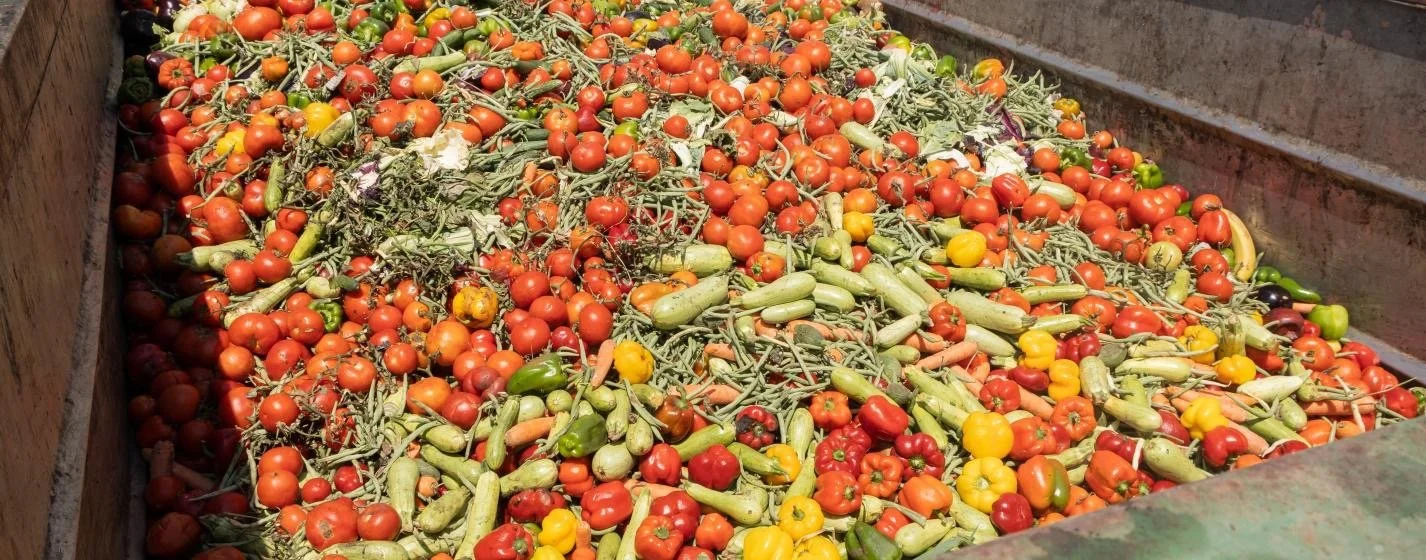
Photo courtesy of USDA
According to the U.S. Department of Agriculture (USDA); from 1948 to 2021, U.S. industrial agricultural productivity has increased at a rate of 1.49% annually. It is believed, that fossil fuel powered mechanized farming & synthetic fertilizers have given farmers the ability to grow enough food to feed 1 1/2 times the total world population; 10 billion more people than the current needs of the global population. However, the USDA also states 30 - 40% of the U.S. food supply is wasted or lost (133 billion pounds of food) annually. While according to the USDA Economic Research Service (ERS) in 2024 approximately 47.9 million Americans live in food-insecure households; including 14 million children. This number represents 13.7% of the U.S. population whom experience an inability to access enough nutritious food.
Renewable agriculture can greatly reduce agricultural emissions and land / water pollution; all a byproduct of industrial farming methods which increase production to maximize profits through methods which includes, but are not limited to, the warehouse farming of ruminant animals, pigs and poultry; along with the acidification of oceans from offshore farm raised fishing. Studies have shown, renewable agriculture reduces CO₂ emissions by 48 to 66% compared to industrial farming which uses chemicals and other unsustainable practices that contributes to global warming. Low mileage, seasonal, organic foods strengthens our local agricultural economies, reduces food waste, reduces energy for transport & refrigeration, while bringing consumers closer to the Farmers behind the production of their foods. Reduced transportation miles lowers CO₂ emissions; especially if the produce does not have to be transported by airplanes.
The use of renewable energy, along with battery storage, has already been proven to be more efficient and affordable at energy generation compared to the combustion of fossil fuels. Further removing petrochemicals, in the forms of synthetic fertilizers, herbicides & single use plastics, from agricultural food production will facilitate the creation of a cleaner and healthier environment.
Please share your viewpoints or experiences in the Comments section below.