HEALTHY FOOD IS MEDICINE
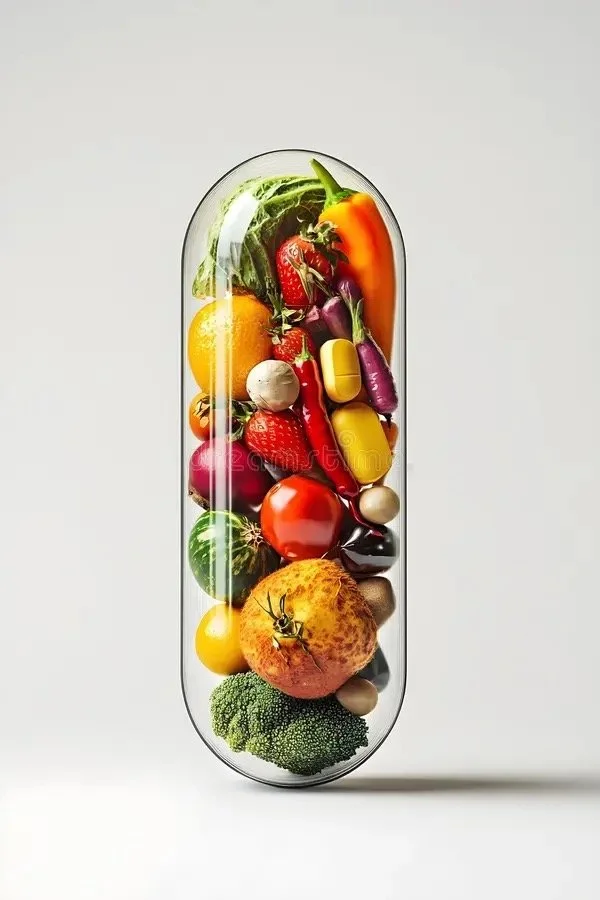
Photo courtesy of Dreamstime.com
The belief healthy food is medicine promotes healthy nutrition as the intuitive means of maintaining health and combating disease.
According to the National Institute of Health (2024) approximately one million people die annually in the United States (U.S.) due to diet-related chronic diseases. An estimated 90% of the $4.3 trillion annual cost of health care in the U.S. is spent on medical care to treat chronic diseases (AHA/ASA Journals 9/28/2023).
Modern medicine has an over-dependence on pharmaceutical drugs and nutritional supplements to treat the symptoms of ultra-processed* & packaged foods diet-related chronic diseases. Poor nutrition is the leading cause of chronic diseases that rank as the top causes of mortality in the U.S.—consuming elevated levels of added sodium (High blood pressure), added sugar (Diabetes / obesity) and ultraprocessed meats (Heart health risk / Cancer); with too few: fruits, vegetables (Chronic diseases) and whole grains (Colon cancer). Many of these chronic diseases disproportionally impacts marginalized communities.
Modern industrial food production is incompatible with the 6 million years of evolution culminating to the 250,00 years zenith of Homo Sapien evolutionary biology because it is incentivized to maximize profits; not provide “balanced” Human nutrition and better health. The modern ultra-processed & packaged foods diet was imposed on a Human biology that evolved to consume whole foods. Bioengineered U.S. commodity crops like corn, soybeans and wheat are prioritized and produced through mechanized monoculture farming to increase crop production. More than two thirds (67%) of these crops are not even prioritized for Human consumption, but to feed livestock for meat, dairy & eggs. 43 % of U.S. corn is used in the production of Ethanol, while 45% of U.S. soybeans oil and 2% of global wheat are used in the production of biofuels. Less than 27% of global food crops are prioritized for direct Human consumption.
These commodity crops are bioengineered to resist pest, facilitate mechanized harvesting & global transport with uniformed sizes, tougher skin & flesh, simultaneous ripening, maintain a longer shelf life in stores. This level of mass production of adulteration requires large inputs of oil based fertilizers, pesticides and herbicides. The manipulation of our foods and livestock for industrial convenience & productivity have decreased their taste and nutritional values. Industrial farming and bioengineering have decreased levels of essential vitamins and minerals that were once abundant in our heirloom crops. Healthy soil is the base requirement to grow foods with nutritional value. Crude oil based Nitrogen (N₂) fertilizers disrupts the chemistry of the soil pH level, kills earthworms along with helpful soil nitrogen fixing bacteria leading to dead soil. The irony of Human influenced increased atmospheric CO₂ levels is that while it increases plants carbon mass & accelerates growth rate plants becomes less dense in vitamins and minerals content. Grain-finished cattle; regardless if raised on 100% grass, have decreased healthier omega-3 fatty acid (Not to be confused with higher levels of omega-6 fatty acids found in grain fed cattle) and decreased antioxidants (Vitamin E) levels in their meat. Cattle raised on a forage based diet of grasses, pasture plants & legumes have higher rumen fermentation levels of the beneficial fatty acid conjugated linoleic acid (CLA) compared to cattle raised or finished on high concentrate grain diets. The decline in the nutritional value of crops and meats is compounded by the erosion of U.S. food safety regulations and exasperated by food insecurity in economically disadvantaged communities with high levels of healthy food deserts.
Despite advances in modern medicine & sanitation the medical industry prioritizes the pursuit of profits over universal health. There is more profit in treating a collection of signs & symptoms given the title of disease rather than eradicating the socioeconomic etiology of poor nutrition and food insecurity. Research already exist that shows a whole-food plant-based diet, filled with colors, along with exercise can reverse diabetic peripheral neuropathy and coronary artery disease.
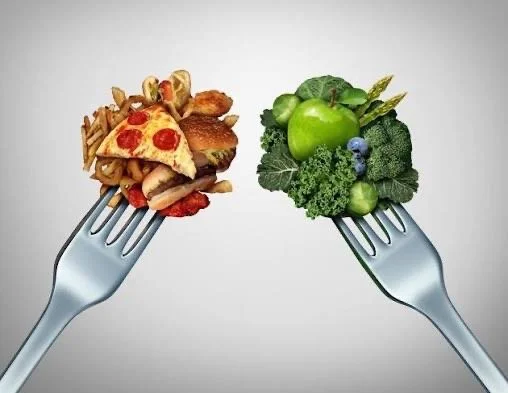
Photo courtesy of Facebook
DIABETES
Ultra-processed and packaged foods are full of carbohydrates and refined sugars that elevate glucose levels in the blood stream causing the pancreas to reactively produce more insulin in a vain attempt to get the glucose out of the blood stream and in to the already overwhelmed cells. In protest, the saturated cells block the entry of insulin exhibited as insulin resistance / insensitivity (Pre-diabetes). Over a period of time, the over-worked pancreas begins to slow production of insulin causing glucose levels in the blood to increase; known as Type 2 Diabetes.
Excess glucose molecules binds to the proteins that makeup the inside lining of blood vessels walls (Arteries, veins & capillaries). This condition is known as (Glycation) which causes inflammation and subsequent damage to the blood vessels in the eyes known as diabetic retinopathy—the leading cause of blindness in young adults. Nerve vessels are also damaged leading to diabetic neuropathy; exhibited as numbness & burning sensations in the lower extremities. Glycations also impacts blood filtration in the vascular kidneys known as diabetic nephropathy—leading cause of kidney failure (End Stage Renal Disease). Research has also found a correlation between chronic elevated blood glucose levels and Alzheimers disease (Type 3 Diabetes).
Pre-diabetes is reversible and Type 2 Diabetes can be in remission (not to be confused with the word cured) by a whole foods diet that eliminates ultra-processed foods with added sugars; while increasing the consumption of wholefoods plant based carbohydrates (fruits, vegetables, nuts & seeds) which digest slower avoiding glucose spikes. A whole foods diet along with lifestyle changes that promotes exercise (Movement) for excess weight loss and muscle strength have been proven to manage pre-diabetes and Type 2 Diabetes.
BODY MOVEMENT
Inaddition to healthy nutrition, comprehensive health also includes lifestyle activities involving physical activity.
For over 300,000 years Humans evolved to move constantly at low intensity energy with occasional burst of high intensity energy; with occasional tasks involving lifting heavy objects. Imagine early Humans foraging miles of land for food eventually finding a heavy fallen tree trunk and rolling it to access the protein rich insects underneath; then running away from a charging predator that was hiding in the tall grass.
Muscle development maintains good blood glucose levels by increasing glucose storage capacity. This lowers insulin resistance and diabetes risk; while providing protection against cognitive decline and Alzheimer’s by promoting Brain Derived Neurotrophic Factor (BDNF) in the brain. 70 - 80% of blood glucose is absorbed in muscle tissue; where it is stored as glycogen and provides a ready source of fuel—especially for the energy hungry brain. Exercise promotes the release of BDNF, a neuroprotein which facilitates synaptic neuroplastivity & neurogenesis in the brain. The latter is the birth of new neurons which primarily occurs in the Hippocampus region of the brain; often referred to as the memory & learning center. Another benefit of BDNF is angiogenesis which improves blood circulation in the brain; providing more oxygen to the brain and removing garbage. Inaddition to the Hippocampus, exercise also strengthen the Prefrontal Cortex region; often referred to as the CEO of the brain, sharpening concentration, decision making and stress resistance.
FIBER
Fiber is a type of non-digestible carbohydrate found in plant based foods. Fiber comes in two forms: soluble which can dissolve in water and insoluble fiber which cannot dissolve n water. Humans lack the ability to digest fiber on their own so good gut bacteria, that produce special enzymes, are recruited to help breakdown fiber (plant matter) through bacterial fermentation that breaks-down soluble types of fiber in to a gel like substance; mainly in the large colon. The fermentation process creates short-chain fatty acids which human cells absorb and use for energy. Insoluble fiber adds bulk to feces and facilitates waste extraction through the digestive tract. The bulk also promotes the sensation of fullness without added consumption; crucial for weight managment. Insoluble fiber help stabilize blood sugar levels by slowing sugar absorption, which prevents sharp spikes in blood sugar. Fiber aids in heart health by lowering bad (LDL) cholesterol by binding it in the digestive tract where it is removed. Fiber also reduces the chance of developing hemorrhoids, diverticulitis and colorectal cancer.
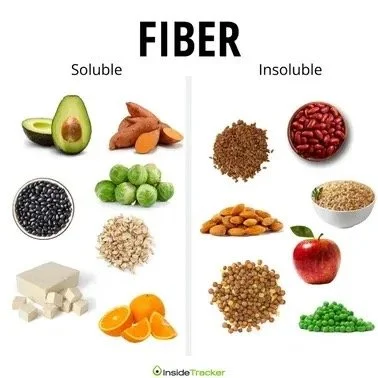
Image Courtesy of InsideTracker
GUT MICROBIOME
The lining of the digestive tract is populated by microorganisms; mostly bacteria. This ecosystem is called the gut microbiome and houses up up 2,000 different species of bacteria in the gastrointestinal tract; with the colon housing the highest microbiome population. The microbiome protects their host against harmful microorganisms that can cause diseases, regulate the immune system and breaks down foods in the digestive tract to release energy and produce vitamins. Foods are broken down into short-chain fatty acids which lower inflammation and strengthen the gut barrier to keep toxins out of the bloodstream. 70% to 80% of the bodys’ immune cells live in the digestive tract which is a major entry point to the outside world through ingested food, drink and other substances. Beneficial microbes help to train the immune system cells to distinguish between beneficial and harmful pathogens.
A healthy “prebiotic” diet of fruits, vegetables & fiber helps to maintain the microbiome by providing the microorganisms with nourishment. A “probiotic” diet (Kombucha, kimchi & yogurt with no added sugars and containing live cultures of Lactobacillus and Bifidobacterium) helps maintain the microbial population balance. Research has shown a correlation between an imbalance in the gut microbiome population (Dysbiosis) and an increased health risk of developing diabetes, cancer, obesity, inflammatory bowel disease, hearth & cardiovascular disease.
The gut microbiome is influenced by diet, antibiotics or other medications, in addition to host factors like pregnancy, inadequate sleep & stress.
Resent research has found a connection between certain strains of Escherichia coli (E coli) bacteria infection in the gut and the rise of early-onset colorectal cancer in young adults—the second leading cause of cancer death. Some E. coli produce harmful toxins called colibactin that enter the cells lining the colon and mutates their DNA leading to tumor growth and over time cancer. Researchers are studying possible causes that includes, but are not limited to, how modern diets high in ultra-processed foods, environmental exposures like microplastics and obesity are impacting gut microbiome in ways that allow harmful bacterial strains to thrive.
INFLAMMATION
Inflammation is a natural biological response to injury, infection and even stress. Certain foods can over stimulate the bodys’ over active inflammation response creating a state of chronic inflammation which have been linked to many chronic health conditions, including but not limited to, cancer, auto immune and cardiovascular diseases. Avoiding added sugars (Soda, pastries), sodium, artificial sweeteners, dairy, red & processed meats (Hot dogs, bacon & sausage), trans fat (Margarine, french fries), alcohol (Liver) and refined carbohydrates (White bread, pasta).
Some foods have anti-inflammatory properties and can be helpful to reduce inflammation:
Cruciferous vegetables like broccoli, cauliflower
Leafy greens like spinach and kale
Fruits like strawberries and blueberries
Nuts like almonds, walnuts, seeds
Whole grains like brown rice, oats, wheat
Spices like ginger, garlic, rosemary, cinnamon, cardamom
Beverages like water, green tea
Salmon
Avocado oil
In addition to healthy nutrition, some lifestyle modifications can also help reduce inflammation:
Adequate sleep
Exercise
WATER
The kidneys and liver naturally filter and remove waste from your blood. Plain water is the vehicle used to transport waste like urine nitrogen out of the kidneys. Signs of proper hydration is exhibited by urine that has a lite yellow color.
Adequate hydration helps maintain normal bowel functions. When the body is dehydrated, the colon pulls water from the stool resulting in constipation. Adequate hydration also maintains healthy skin, the largest Human organ which functions as a protective barrier. The lymphatic system depends on adequate hydration to help keep the lymph fluid less viscous and moving smoothly throughout the tissues towards the bloodstream to filter our cellular waste and rapidly transport white blood cells through lymph fluid to fight infections. Water helps maintain the blood vessels volume and lower blood pressure. Dehydration-induced constriction of the blood vessels (vasopressin) is one cause of high blood pressure and chronic kidney disease.
NOTE: Drinking water in excess can cause electrolyte imbalances.
The movement to maintain health from the plate instead of dependence on pharmaceuticals and nutritional supplements will subsequently empower our opinions and choices on how food is grown and processed. Even if Homo Sapiens had the evolutionary time to adapt to sustain themselves on ultra-processed & packaged foods it would inevitably mean the demise of the Human Species because ultra-processed foods are not endemic to the natural ecosystem and have to be manufactured. Without an industrial infrastructure required to manufacture ultra-processed foods it cannot grow independently in nature. A diet that emphasizes whole foods with most daily calories coming from fruits, vegetables, whole grains & legumes has already proven to be healthy and sustainable for Humans and for the Earth.
* Ultra-processed can be considered any food “extensively” altered from its original natural state to enhance flavor, texture or shelf life.
Please share your viewpoints or experiences in the Comments section below.